|
 Videoconference Room Videoconference Room |
|
|
Survey: Effects of Breathing, Meditation, and Qigong Techniques on MA Students in English Linguistics |
|
|
 Course Grading Rubrics Course Grading Rubrics |
|
|
| Chapter 1 |
 1.1. What is Computational Linguistics? 1.1. What is Computational Linguistics? |
|
|
1.2. History of Computational Linguistics |
|
|
1.3. Core Techniques |
|
|
1.4. Areas of Computational Linguistics |
|
|
1.5. Interdisciplinary Connections |
|
|
Explore NLTK packages |
import nltk
nltk.download() |
|
Let's talk about computational linguistics! My experience in building Siri voices |
|
|
The language of computational linguistics. | Walter Daelemans | TEDxAntwerp |
|
|
Neural network in 5 mins |
|
|
| Chapter 2 |
2.1. Word Meaning in Linguistics |
|
|
2.2. Types of Ambiguity |
|
|
2.3. Context and Word Meaning |
|
|
2.4. Wordnet Introduction |
|
|
2.5. Word Sense Disambiguation |
|
|
Wordnet Project Homepage |
|
|
 Chapter 2 Lecture notes Chapter 2 Lecture notes |
|
|
Word Sense Disambiguation video lecture |
|
|
Explore Word Embedding Universe |
|
|
| Chapter 3 |
3.1. Open versus Closed POS |
|
|
3.2. Markov Models |
|
|
3.3. POS Tagging with Python Libraries |
|
|
Penn Treebank Sample |
|
|
Chapter 3 Lecture notes |
|
|
Markov Chains |
|
|
Markov Chains: Generating Sherlock Holmes Stories |
|
|
Hidden Markov Model |
|
|
Forward Algorithm |
|
|
Viterbi Algorithm |
|
|
Find difference with Code Beautify |
|
|
| Chapter 4 |
4.1. Decomposing Texts with Bag of Words Model |
|
|
4.2. Bayesian Text Classification: The Naive Approach |
|
|
4.3. Support Vector Machines (SVM) |
|
|
4.4. Decision Trees |
|
|
4.5. Neural Networks |
|
|
Text Classification lecture notes |
|
|
Naive Bayes, Clearly Explained!!! |
|
|
The Kernel Trick in Support Vector Machine (SVM) |
|
|
Decision and Classification Trees, Clearly Explained!!! |
|
|
Recurrent Neural Networks (RNNs), Clearly Explained!!! |
|
|
| Chapter 5 |
5.1. Constituency Relations |
|
|
5.2. Dependency Relations |
|
|
5.3. Treebanks |
|
|
Universal Dependencies Project |
Step 1: Find Query UD treebanks online: Step 2: Try https://lindat.mff.cuni.cz/services/pmltq/#!/treebank/bnc/query/IYWgdg9gJgpgBAbTsAZgVzHAvHA5AOQCVc4BdIA/result/svg?filter=true&timeout=30&limit=100 To explore Vietnamese Universal Dependency Relations, start from here: https://lindat.mff.cuni.cz/services/pmltq/#!/treebank/udvi_vtb214/help
Overview of Parsing Frameworks- Analytical Tree (
a-tree) - Tectogrammatical Tree (
t-tree)
1. Analytical Tree (a-tree):- Definition: Analytical trees represent the surface syntactic structure of a sentence. They show how words are grouped into phrases and how these phrases are related to each other.
- Components:
- Pred (Predicate): The main verb of the sentence.
- Sb (Subject): The subject of the sentence.
- Obj (Object): The object of the sentence.
- AuxP (Auxiliary Preposition): Prepositions that introduce prepositional phrases.
- Atr (Attribute): Modifiers or attributes of nouns.
- Adv (Adverbial): Modifiers or complements of verbs.
- AuxC (Auxiliary Conjunction): Conjunctions that link clauses.
- AuxX: Punctuation markers like commas and periods.
The a-tree in the screenshot breaks down the sentence into its syntactic components, showing hierarchical relationships between words and phrases. 2. Tectogrammatical Tree (t-tree):- Definition: Tectogrammatical trees represent the underlying, deep syntactic structure of a sentence. They abstract away from the surface form to show more semantic and functional relationships.
- Components:
- PRED (Predicate): The main verb of the sentence.
- ACT (Actor): The logical subject or agent of the action.
- PAT (Patient): The logical object or recipient of the action.
- RSTR (Restrictive Attribute): Attributes that provide necessary information about a noun.
- MEANS: Instrumental adjuncts indicating the means by which an action is performed.
- ENUNC (Enunciation): Linking functions that relate to how the sentence is embedded in discourse.
- MANN (Manner): Adverbials expressing the manner of the action.
- APP (Apposition): Noun phrases that are in apposition to another noun phrase.
The t-tree in the screenshot abstracts away from surface syntactic categories to focus on semantic roles and deeper syntactic relationships. Comparison:Analytical Tree: - Focuses on surface syntax.
- Reflects the actual word order and grammatical relationships.
- Useful for syntactic parsing and understanding sentence structure.
Tectogrammatical Tree: - Focuses on deep syntax and semantics.
- Abstracts from surface form to show underlying relationships.
- Useful for semantic parsing and understanding the roles of different sentence elements.
|
|
Xây dựng treebank tiếng Việt |
|
|
Syntax & Grammar Lecture Notes |
|
|
Constituency Parsing |
|
|
Dependency parsing |
|
|
| Chapter 6 |
6.1. Sources of Text |
|
|
6.2. Sampling Strategies |
|
|
6.3. Data Acquisition Techniques |
|
|
6.4. Considerations for Representative and Diverse Corpora |
|
|
6.5. Corpus Annotation |
|
|
6.6. Applications of Annotated Corpora |
|
|
6.7. Best Practices in Building Linguistics Corpora |
|
|
Corpus Linguistics Lecture Notes |
|
|
| Chapter 7 |
7.1. Introduction |
|
|
7.2. Core Objectives |
|
|
7.3. Lexical Databases |
|
|
7.4. Expanding Lexical Resources |
|
|
7.5. Automatic Extraction of Lexical Information |
|
|
7.6. Challenges in Computational Lexicography |
|
|
7.7. Applications of Computational Lexicography |
|
|
Computational Lexicography Lecture Notes |
|
|
| Chapter 8 |
Introduction |
|
|
8.1. Language Teaching |
|
|
8.2. Search Engines and Information Retrieval |
|
|
8.3. Machine Translation |
|
|
8.4. Sentiment Analysis |
|
|
8.5. Speech Recognition Systems |
|
|
| Chapter 9 |
Introduction |
|
|
9.1. Applications in Healthcare |
|
|
9.2. Applications in Education |
|
|
9.3. Applications in Entertainment and Media |
|
|
9.4. Ethical and Responsible Language Technology |
|
|
| Resource Center |
Meet Alpha, your class tutor |
|
|
 Tools for Research Tools for Research |
|
|
End of course feedback |
|
|
History of Neural Networks |
|
|
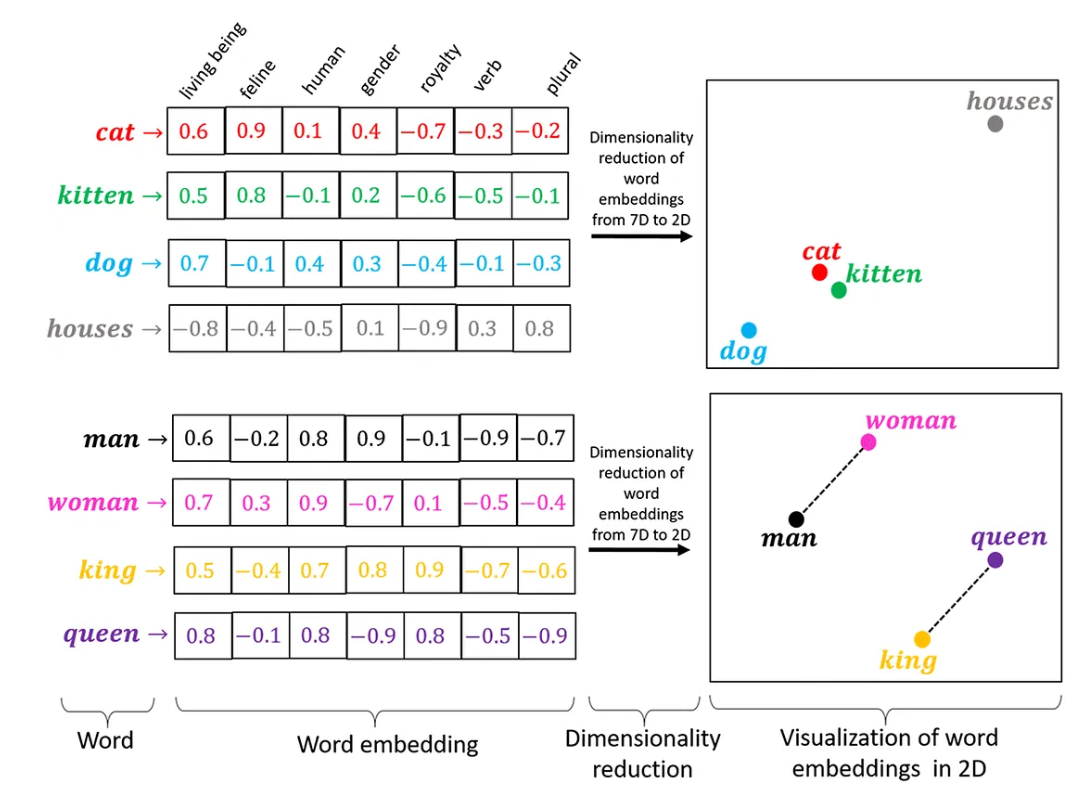
300 possible dimensions in Word Embeddings |
|
|
TARI AI Tools Survey |
Please use TARI AI tools at https://tari.huflit.edu.vn before taking this survey. |
|
Course WhiteBoard |
|
|
All databases used in the book |
|